
Modern slavery is a business decision – not an accident
Modern slavery persists because the way global supply chains are designed allows it to remain hidden, according to new research led by Professor Glenn Parry from the University of Surrey and Dr Mike Rogerson at the University of Sussex.
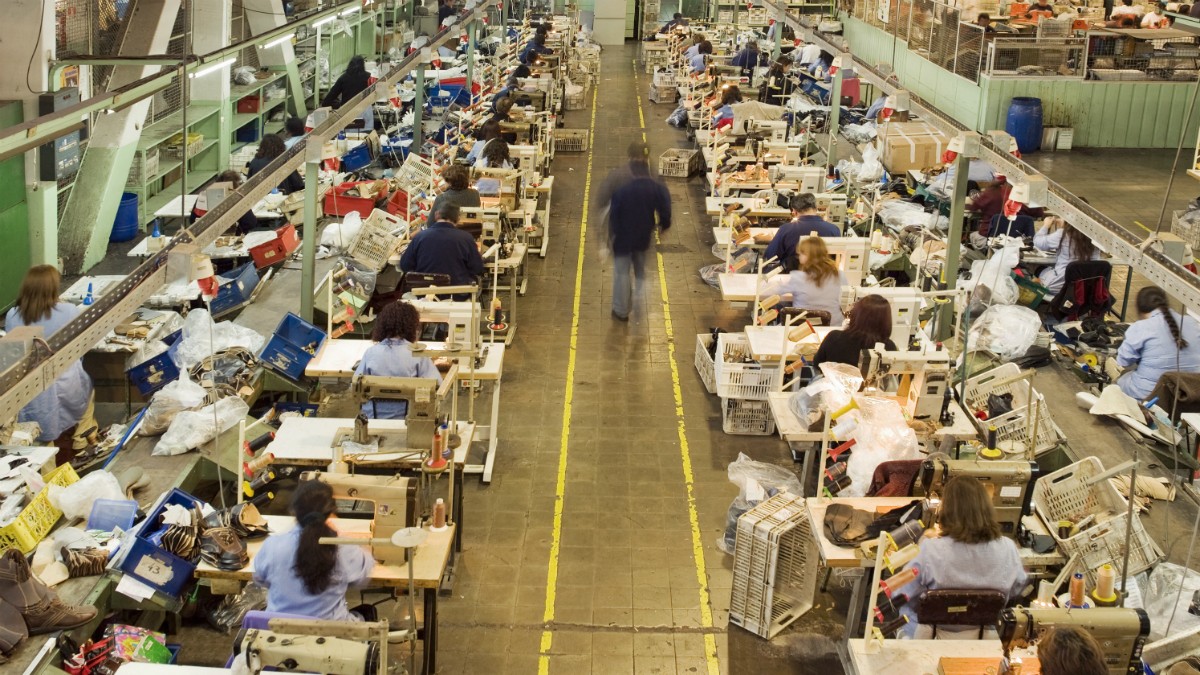
The findings argue that exploitation often stems from business decisions that cut costs by pushing work further down the supply chain, leaving companies with little direct contact with workers and less visibility over how they are treated.
Around 27 million people worldwide are estimated to be living in conditions of modern slavery, embedded within the production of everyday goods and services. While governments have introduced laws to force companies to report on risks, the research suggests that disclosure alone is not changing behaviour in a meaningful way.
Instead, firms often maintain distance from the most vulnerable parts of their supply chains. This distance can be geographical, organisational or even digital, such as the use of algorithms that control workers without direct oversight. As a result, companies rely on indirect signals rather than engaging directly with workers, leaving serious gaps in knowledge and accountability.
The special issue on “Modern Slavery and Supply Chain Management”, published in Supply Chain Management, brings together insights from multiple international studies across sectors including construction, social care, logistics and global manufacturing. Drawing on interviews with practitioners, workers and experts, as well as analysis of corporate reports and policy frameworks, the work examines how governance, partnerships and digital systems shape labour conditions across complex supply networks.

The research found that many organisations focus on compliance, reporting and audits, yet fail to build the relationships and trust needed to identify and tackle exploitation. In some cases, competitive pressures and mistrust between firms actively prevent collaboration that could reduce risks.
It also finds that partnerships between businesses, governments and NGOs can help, but only when they are built on genuine understanding and shared goals. Superficial collaboration risks becoming a tick-box exercise rather than a driver of real change.
A major recommendation is to shift focus from reporting to knowledge. Companies need to invest in understanding their supply chains in depth, including listening directly to workers. Bringing “upstream voices” into decision-making is seen as critical to designing effective anti-slavery measures. decision-making
Media Contacts
External Communications and PR team
Phone: +44 (0)1483 684380 / 688914 / 684378
Email: mediarelations@surrey.ac.uk
Out of hours: +44 (0)7773 479911