
An anti-fibrotic drug could be repurposed to control cell communication
An experimental anti-fibrotic compound can dramatically alter how cells release the microscopic packages they use to communicate, according to new research from the University of Surrey.
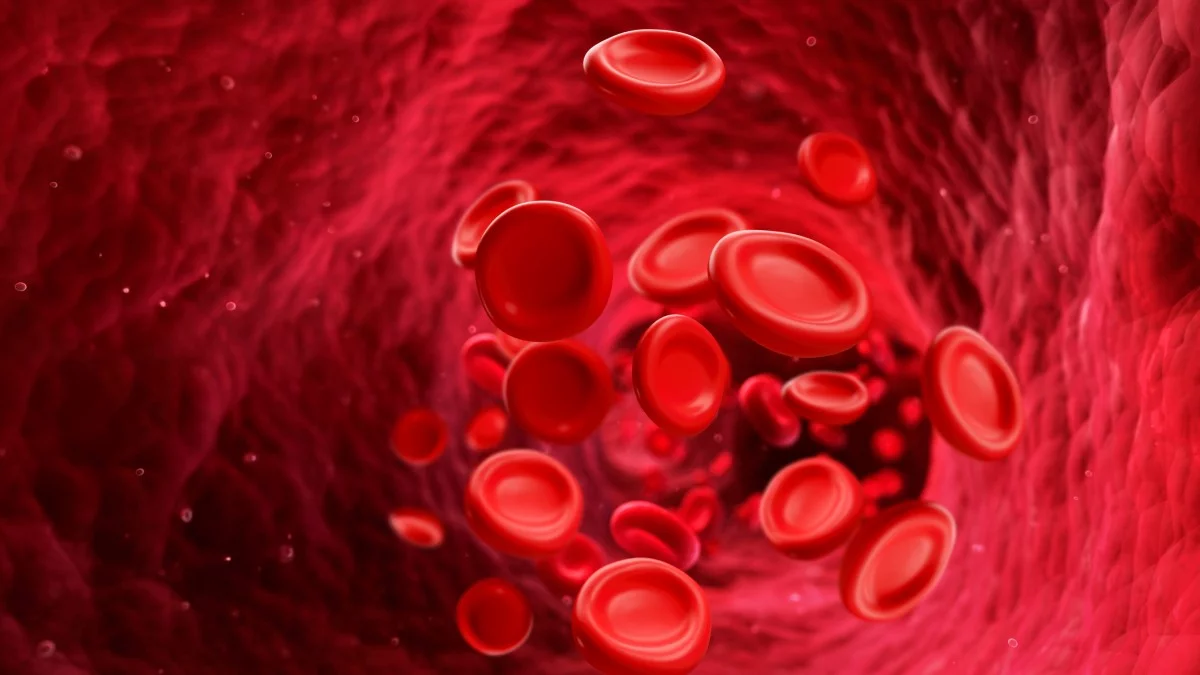
Researchers found that the compound, SD-208, which reduces scar tissue in organs, substantially reduced the release of extracellular vesicles, microscopic packages that cells use to carry proteins and other biological signals to neighbouring and distant cells.
The study, published in the Journal of Extracellular Vesicles, details how SD-208 did not simply stop these packages from being made, but it changed their destination inside the cell. Rather than being transported to the cell surface and released, vesicle-containing compartments were increasingly redirected towards lysosomes, the cell's recycling and disposal system, where their contents can be broken down.
The researchers also tested other compounds acting on the same primary biological target, but these did not reproduce SD-208's effect. This suggests that its influence on vesicle release is distinct from its known anti-fibrotic activity.
While extracellular vesicles are a normal part of communication between cells and perform many important functions, changes in this communication system can also contribute to disease, including cardiovascular disease, and cancer. The Surrey research team first discovered the effect while studying SD-208 in heart cells obtained from patients with hypertrophic cardiomyopathy, an inherited condition in which the heart muscle becomes abnormally thick and is often affected by fibrosis.
As expected, SD-208 reduced signs of activation in the heart cells but the researchers also noticed an unexpected and substantial reduction in extracellular vesicle release. They therefore tested SD-208 in several different types of cells. The same effect was observed even in cells without the fibrotic characteristics of the original heart cells, suggesting that SD-208 was acting on the cell's communication machinery through a separate mechanism.
Using advanced protein analysis and microscopy, the team traced what was happening to the vesicle-containing compartments inside the cells and found that they were increasingly being sent to lysosomes instead of being released.
The researchers caution that the findings come from laboratory-grown cells and do not yet demonstrate that SD-208 can be used to treat disease in patients.


Related sustainable development goals

Featured Academics
Media Contacts
External Communications and PR team
Phone: +44 (0)1483 684380 / 688914 / 684378
Email: mediarelations@surrey.ac.uk
Out of hours: +44 (0)7773 479911