
Replacing dairy products with unfortified plant-based alternatives could lead to deficiencies in certain nutrients
Replacing dairy products, even partially, with unfortified plant-based alternatives may lead to a deficiency in vital nutrients, a new study from the University of Surrey reports. Mandatory fortification of plant-based alternatives and other foods, including bread, could lessen the risk of deficiencies, particularly iodine deficiency.
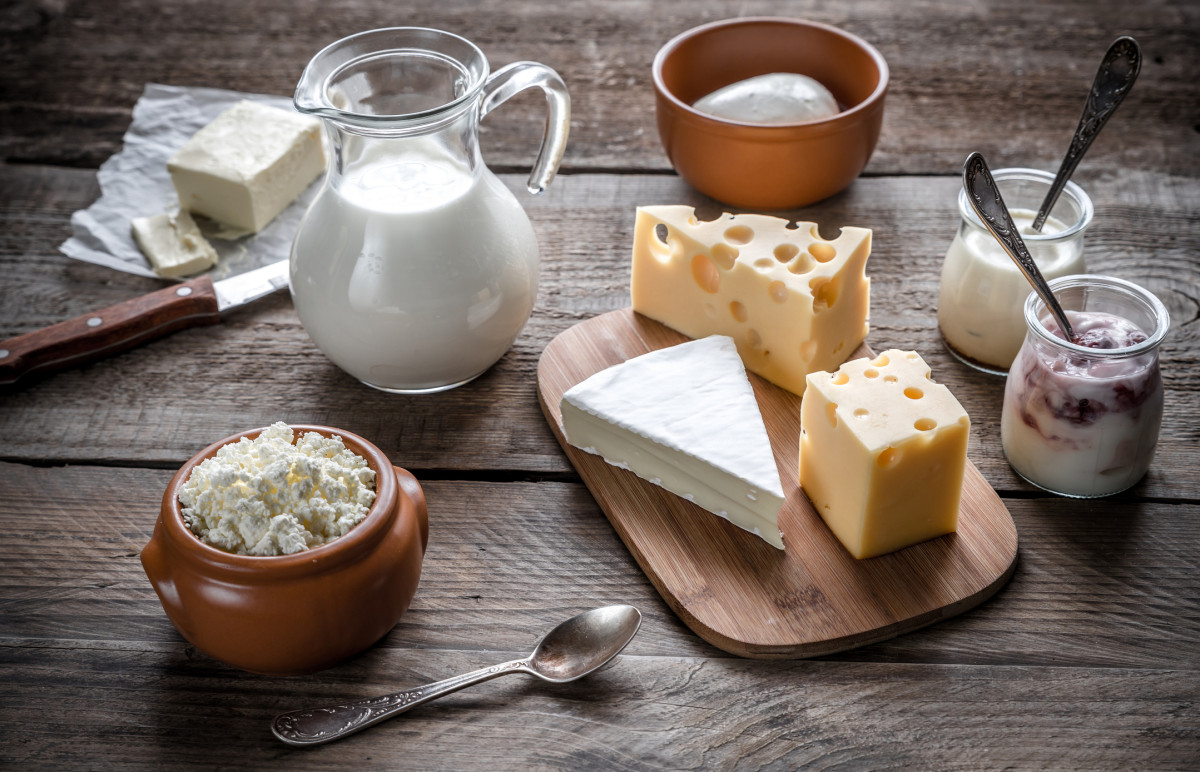
In the first study of its kind in the United Kingdom, researchers from Surrey, in collaboration with colleagues from Queen’s University Belfast, investigated the impact of replacing milk, yoghurt and cheese with commercially available plant-based alternatives on an individual’s micronutrient intake.
The team used data, from the National Diet and Nutrition Survey, from over 3,500 individuals, aged between 18 months and 100 years old. They then used a novel modelling technique to assess the impact of replacing dairy products with plant-based alternatives on four essential micronutrients found in dairy products – iodine, calcium, riboflavin and vitamin B12.
Researchers found that even modest replacements of dairy intake with plant-based dairy alternatives led to marked declines in all four micronutrients, with iodine in particular being the most sensitive to replacements. For example, replacing just 20 to 35 per cent of dairy products with plant-based dietary alternatives, under current market fortification levels, increased iodine inadequacy among adolescent females from 54 to 65 per cent and from 32 to 42 per cent in women aged 19-49 years old. At full replacement, the prevalence of iodine inadequacy rose to 80 per cent in adolescent females and 72 per cent in adolescent males.
Researchers also examined the impact of mandatory fortification of plant-based dairy alternatives with micronutrients as a potential way to prevent deficiencies. It was found that such fortification prevented declines in micronutrient intake when dairy products were replaced, although levels of iodine remained inadequate in 59 per cent of adolescent females. However, iodine- fortified bread was found to improve iodine intake, reducing inadequacy in adolescent females to 37 per cent.
The results suggest that the most effective strategy in reducing iodine inadequacy is to combine mandatory fortification of plant-based dairy alternatives with iodine-fortified bread.
Dr Nicol concluded:
“Nutrition policy must evolve in tandem with environmental targets however it is important that shifts towards more sustainable diets do not compromise on public health. Fortification of foods is one way that this could be achieved however government policy is needed to make this happen.”
Speaking further on the research, Dr Anne Nugent from the School of Biological Sciences at Queen’s University Belfast said:
“During the analysis, we first identified all foods and recipes containing dairy produce (milk, cheese and yogurt) in the national food survey for the UK, the National Diet and Nutrition Survey. Next, we conducted a series of replacement scenarios whereby we substituted the dairy present with an equal weight of plant based dairy alternatives. As the nutrient composition of dairy alternatives available on our supermarket shelves can vary, we also applied a condition to make sure that every dairy alternative we had identified in our previous market survey had an equal chance of selection. The last step was to examine the impact on dietary intakes of key nutrients following either the reduction or removal of dairy from the diet, replacing it with the dairy alternatives as above, and asking whether a series of fortification options could mitigate against any shortfalls in intake while avoid situations of excess.”
This study was published in Lancet Planetary Health

Featured Academics


Media Contacts
External Communications and PR team
Phone: +44 (0)1483 684380 / 688914 / 684378
Email: mediarelations@surrey.ac.uk
Out of hours: +44 (0)7773 479911