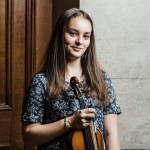
The opportunities for collaboration and creativity are wide and varied on our Music degree courses, inspiring and exciting our students across a huge range of styles: from classical to popular, musical theatre to opera, film to jazz, and from the historical through to the present day.
* Placement year fees: Approximately 20% of UK full-time fees of the academic year
Why choose this course?
A proven track record of excellence: we have been ranked by the Guardian University Guide as being in the top three UK universities for music for the past three years.
Join inspiring ensembles and societies, from the University Orchestra, University Chamber Choir, Big Band, student ensembles and bands, as well as perform in, and watch, weekly lunchtime student recitals. Plus, you’ll have visits and performances by industry professionals – performers, composers, promoters, publishers and educators.
Access to our custom-built performance spaces, including a multi-purpose concert/recital room, an immersive multichannel speaker performance space, 10 practice rooms, edit rooms and new synth lab.
You’ll also receive one-to-one instrumental/vocal lessons in your primary study as part of your course.
Unlock your potential for careers in performance, composition, music history, analysis, or a whole wealth of other music degree jobs, through our experienced staff, vibrant musical community and excellent professional placement links.
We’re preparing you for the future by integrating AI into every course, building digital skills, confidence and creativity that employers value in tomorrow’s workplace.
On our course you can take performance and composition in each year. Alongside these, you’ll study music across history and within culture. You’ll develop advanced knowledge of music theory and analysis.
You’ll graduate from our course with a BMus qualification, which denotes a practical emphasis – we use performing and/or composing as the key ways to increase your knowledge of music and develop your musicianship. You’ll learn about music of the past and the present, in both classical and popular styles.
In your final year, you’ll develop a large-scale individual project; this is a good example of the flexible approach you can take to your learning – it can be a substantial written investigation, or a performance or composition project, with complementary writing.
The academic year is divided into two semesters of 15 weeks each. Each semester consists of a period of teaching, revision/directed learning and assessment.
Music topics
At the core of this course are modules you’ll take in each year that we call the ‘Music Project’ and the ‘Topic Study’. To maximise your choice and experience, these change from year to year depending on the member of staff leading them and their individual research strengths and interests.
Previous themes of Music Project modules have included the following:
Re-working Music
Experimental Music
The Music of Data
Film Music
Terry Riley’s ‘In C’
The Musical
John Zorn’s ‘Cobra’
Medieval Music
Purcell’s ‘Dido and Aeneas’.
Women in Music
Mahler and Musical Meaning
Folk and Nostalgia.
And Topic Study modules (which are usually either presented annually or every two years), include the following:
Jazz Studies
Musical Theatre
Opera Studies
Historical Performance Practice
English Music from Elgar to Britten
Studying Music as Performance
Popular Music and Culture
Popular Music and New Media.
Topic Study modules are more orientated towards the development of academic skills (though some also enable practical activities). Music projects enable students to respond to a project drawing on a range of academic and musical skills, including collaborations on performances or compositions across years and programmes.
The structure of our programmes follow clear educational aims that are tailored to each programme. These are all outlined in the programme specifications which include further details such as the learning outcomes.
Please note: Thefull module listing for the optional Professional Training placement part of your course is available in the programme specification.
Modules
Modules listed are indicative, reflecting the information available at the time of publication. Modules are subject to teaching availability, student demand and/or class size caps.
The University operates a credit framework for all taught programmes based on a 15-credit tariff.
New for 2026 entry: At Surrey, we want you to be a future-ready graduate. That’s why all our courses will offer at least one module that integrates and teaches AI tools in discipline-specific ways. You’ll develop the digital skills that employers are looking for and get comfortable with the tech of the future.
The purpose of this module is to enable you to increase your understanding of the principles of common-practice harmony in preparation for more advanced harmonic study in later modules on your degree programme. You will achieve this primarily through the study of the four-part chorale writing of J.S. Bach, learning how to analyse these harmonies at first-year undergraduate level as well as to reharmonise chorale melodies in this style.
This module is one of six project-based modules within the Music degree programmes. Such modules focus on learning in the context of musical practice such as composing or performing; they are based on a professional model of project management to realise concerts, compositions and arrangements, conference events, recordings and publications. Your learning is supported by weekly lectures and/or seminars that present the key concepts, techniques and developments within the project topic. Project modules will develop a coordinated and managed group activity based on the project theme, such as a large-scale performance or musical outcome, a music creation project with associated conference/performance/material outcomes and documentation. Music projects are cross-year, cross-programme modules in which you can pursue your own specialism by agreement with the Module Leader and have the opportunity to work collaboratively to realise your ideas. Two project module themes will be available in each academic year. Each theme will only occur once for each student cohort. The following projects are some that have run in the recent past and give an indication of the breadth of topics presented but may change in subsequent years due to staff changes and availability. Reworking Music - investigation and realisation of the ways in which music has been recycled across a wide range of genres; The Musical - the study and realisation of musicals of the twentieth and twenty-first centuries; Medieval Music - exploring medieval music in its own time and ours; Dido and Aeneas - contextual and analytical study of Purcell's opera, including performances and the creation of new works based on associated themes; Women in Music - female musicians through the ages in popular and classical music; Folk Music and Nostalgia - exploring folk music, primarily in an Anglo-Irish context, and its relationship to nostalgia; Words and Music - investigating the many relationships between words and music in both texted and untexted genres in a range of musical traditions; Film Music - uncovering and learning to utilise techniques of combining music, image and narrative.
The purpose of this module is to introduce students to aspects of the Western classical and popular music repertoires, increasing levels of cultural awareness, and to develop transferable skills. The module provides a foundation for Topic Studies 1A and B and historically based work at FHEQ 5 and 6.
PATHWAYS IN MUSICIANSHIP A: PERFORMANCE AND ARRANGEMENT
More infoClose
This module equips all students with the knowledge and skills necessary to arrange pre-existing music, including the vital ability to work collaboratively, that is so useful in many avenues of work, not just the arts. All students learn about the Department’s culture and ‘infrastructure’ around performance, such as the ways in which our concerts are managed and the various ensembles available for students to play in. The module builds resilience, as students reflect on their work as arrangers, performers and assistants at Departmental concerts, identifying what went well and what could be improved, thereby laying the ground to develop further in future modules. All students learn from seminars given by invited speakers, in which a range of sectors within the music industry are represented, and from writing reviews of visiting artists to the Department where they can witness professional performance at first hand. The module has two pathways: ‘arranging’ suits students with a focus on composition, connecting to and applying knowledge acquired during Harmony 1 and building a foundation for the specifically compositional activities in Pathways in Musicianship B in semester 2; ‘arranging and performing’ suits students with all-round skills looking to develop their instrumental or vocal technique through one-to-one lessons with a specialist tutor. In both pathways, students experience performing as part of large or small ensembles and become involved in the performing culture of the Department. The module builds students’ confidence and resilience as musicians, preparing them for the more specialised performance and composition modules in years 2 and 3.
The purpose of this module is for you to acquire knowledge of approaches to the research, discussion and writing about popular music at first-year undergraduate level. This is pursued through the study of a single album or group of tracks and its/their various contexts. The module provides a foundation for the study of popular music in the second and final years of your programme. An indicative case study is Adele's output, studied from a range of perspectives such as music analysis, lyric analysis, music video analysis, the contemporary music industry, cover versions, authenticity in popular music, the popular music canon, gender and sexuality, and popular music on film.
The purpose of this module is for you to acquire knowledge of approaches to research, discussion and writing about music of the Western classical tradition at first-year undergraduate level. This is pursued through the study of a single work or a small group of works and its/their various contexts. The module provides further foundation for historically-based study in later years of your degree programme. An indicative case study is Beethoven's Ninth Symphony, studied in detail and contextualised within Beethoven's overall development as well as musical and historical developments more broadly. Perspectives include analysis, reception and historically-informed performance practice.
This module is one of six project-based modules within the Music degree programmes. Such modules focus on learning in the context of musical practice such as composing or performing; they are based on a professional model of project management to realise concerts, compositions and arrangements, conference events, recordings and publications. Your learning is supported by weekly lectures and/or seminars that present the key concepts, techniques and developments within the project topic. Project modules will develop a coordinated and managed group activity based on the project theme, such as a large-scale performance or musical outcome, a music creation project with associated conference/performance/material outcomes and documentation. Music projects are cross-year, cross-programme modules in which you can pursue your own specialism by agreement with the Module Leader and have the opportunity to work collaboratively to realise your ideas. Two project module themes will be available in each academic year. Each theme will only occur once for each student cohort. The following projects are some that have run in the recent past and give an indication of the breadth of topics presented but may change in subsequent years due to staff changes and availability. Reworking Music - investigation and realisation of the ways in which music has been recycled across a wide range of genres; The Musical - the study and realisation of musicals of the twentieth and twenty-first centuries; Medieval Music - exploring medieval music in its own time and ours; Dido and Aeneas - contextual and analytical study of Purcell's opera, including performances and the creation of new works based on associated themes; Women in Music - female musicians through the ages in popular and classical music; Folk Music and Nostalgia - exploring folk music, primarily in an Anglo-Irish context, and its relationship to nostalgia; Words and Music - investigating the many relationships between words and music in both texted and untexted genres in a range of musical traditions; Film Music - uncovering and learning to utilise techniques of combining music, image and narrative.
PATHWAYS IN MUSICIANSHIP B: PERFORMANCE AND COMPOSITION
More infoClose
This module has a flexible, three-pathway, format that allows students to improve their musicianship in ways that reflect their musical interests and skills. The module also ensures there are opportunities for all students to acquire knowledge, skills and experience in key areas: collaboration (between composers and performers), group work (when performing in an ensemble or taking part in concert management activity), documentation and presentation skills (in compiling a record of performance activities during the semester). Students will continue to be exposed to the Department's culture and 'infrastructure' around performance, such as the role of concert management and the different types of ensembles available to participate in, but will be starting from a more familiar base than in semester 1 with the potential to contribute more visibly and impactfully to music making in the Department. The module continues to build resilience as students reflect on their work as ensemble performers and assistants at Departmental concerts, identifying what went well and what could be improved, thereby laying the ground to develop further in year 2 and 3 performance modules. All students continue to learn from seminars given by invited speakers, in which a range of sectors within the music industry are represented, and from attending concerts by visiting artists to the Department where they can witness professional performance at first hand. The module has three pathways: 'composing' suits students with some experience in composition, providing an opportunity not only to consolidate key techniques in developing musical ideas but to work in slightly larger musical forms according to broadly defined models; 'composing and performing' suits students looking to acquire experience or build confidence in composition whilst continuing to develop their performance skills - here, the initial compositional exercises that underpin the first half of the module provide accessible building blocks of compositional technique; 'performing' suits students who prefer to focus on performing through combining their one-to-one lessons with intensive practice time. In all pathways, students experience performing as part of large or small ensembles and become involved in the performing culture of the Department. The module further builds students’ confidence and resilience as musicians, preparing them for the more specialised performance and composition modules in years 2 and 3.
This module equips students with the skills and knowledge to develop their technical knowledge and practical skills in music technology and production. It will allow students to engage with digital technology in wider practice with relevant theoretical understanding, and with an appropriate professionalism and resourcefulness. Although tutorials and support in specific software platforms will be encountered, the emphasis will be on a broad awareness of the theories, functions, diverse cultures and affordances of music technology, providing students with transportable, adaptable and employable skills in their continuing musical practice.
Students must choose two optional modules in Semester 2, which include an optional foundational module in music technology and production supplying tuition in areas in which some students may be unfamiliar but which they may need to succeed in composition modules in later years.
Year 2 - BMus (Hons)
Semester 1
Compulsory
HARMONY 2: JAZZ AND POPULAR MUSIC FORMS
More infoClose
This module provides an opportunity for the in depth study of harmony within the context of Anglo-American popular music of the past century from the standard jazz repertoire to progressive pop, rock, fusion and contemporary jazz.
This module is one of six project-based modules within the Music degree programmes. Such modules focus on learning in the context of musical practice such as composing or performing; they are based on a professional model of project management to realise concerts, compositions and arrangements, conference events, recordings and publications. Your learning is supported by weekly lectures and/or seminars that present the key concepts, techniques and developments within the project topic. Project modules will develop a coordinated and managed group activity based on the project theme, such as a large-scale performance or musical outcome, a music creation project with associated conference/performance/material outcomes and documentation. Music projects are cross-year, cross-programme modules in which you can pursue your own specialism by agreement with the Module Leader and have the opportunity to work collaboratively to realise your ideas. Two project module themes will be available in each academic year. Each theme will only occur once for each student cohort. The following projects are some that have run in the recent past and give an indication of the breadth of topics presented but may change in subsequent years due to staff changes and availability. Reworking Music - investigation and realisation of the ways in which music has been recycled across a wide range of genres; The Musical - the study and realisation of musicals of the twentieth and twenty-first centuries; Medieval Music - exploring medieval music in its own time and ours; Dido and Aeneas - contextual and analytical study of Purcell's opera, including performances and the creation of new works based on associated themes; Women in Music - female musicians through the ages in popular and classical music; Folk Music and Nostalgia - exploring folk music, primarily in an Anglo-Irish context, and its relationship to nostalgia; Words and Music - investigating the many relationships between words and music in both texted and untexted genres in a range of musical traditions; Film Music - uncovering and learning to utilise techniques of combining music, image and narrative.
This module introduces you to a range of fundamental compositional techniques and concepts, applicable in many stylistic contexts.You will encounter and expand your knowledge of a diverse range of global and historical musical practice on the acoustic and electronic domains, as well as theoretical concepts that unite and delineate such broad approaches. In so doing, you will not only learn to emulate specific compositional practice, but also to forge an individual, informed and contemporary compositional voice.
The purpose of this module is threefold: 1) to develop knowledge and understanding of the main methodologies in applied performance research, 2) to advance individual learning and preparation skills in the context of your instrument or voice, and 3) to cultivate performing experience. Additionally, the module focusses on 1) cultivating practical skills in event management and learning basic conducting techniques; 2) development of writing skills to produce performance reviews; 3) building resilience by reflecting on your work as performers, ensemble members, and managers at Departmental concerts. The creative skills you learn will also contribute to your learning in other modules, while the reviewing skills will broaden your knowledge of different types of repertoires. The module is delivered through lectures, seminars, and individual instrumental/vocal lessons, covering a range of musical styles, historical contexts, and various research aspects of performance practices of different music types. The module leader will provide feedback on your performance in seminars and departmental concerts, which will help you develop confidence in performance. Additionally, writing concert reviews will allow you to witness high-level performances firsthand and critically evaluate their success.
This module provides you with an overview of the structures that support and shape the arts and creative industries in the UK, and introduces current issues and debates in cultural provision. It introduces the arts funding system in the UK, government policies for the arts, and the support infrastructure for music in the UK. It also provides the opportunity for you to discuss the issues that shape and influence the arts professions, and their impact upon arts workers and audiences.
The purpose of this module is to build on the knowledge and skills you have acquired in your first year of study in research methods, discussion and writing about music of the Western classical tradition or popular repertories through the study of a single work or a small group of works or the study of a single album or group of tracks and its/their various contexts. The module provides further foundation for historically based study in your final year.This topic will change each year and indicative topics may include Popular Music and New Media, Popular Music and Culture, Musical Theatre, Opera Studies, Historical Performance Practice and Studying Music as Performance (this is not an exhaustive list).
This module enables students to build upon their knowledge of the history, aesthetics and style of a range of nineteenth-century music and associated repertories, combining discussions of identified composers and historical and cultural issues with exploration of specific set works. It draws on analytical skills acquired in previous modules and consolidates the students’ experience of nineteenth-century music encountered elsewhere on the programme, as well as complementing their studies of other areas of music history and culture.
This module is one of six project-based modules within the Music degree programmes. Such modules focus on learning in the context of musical practice such as composing or performing; they are based on a professional model of project management to realise concerts, compositions and arrangements, conference events, recordings and publications. Your learning is supported by weekly lectures and/or seminars that present the key concepts, techniques and developments within the project topic. Project modules will develop a coordinated and managed group activity based on the project theme, such as a large-scale performance or musical outcome, a music creation project with associated conference/performance/material outcomes and documentation. Music projects are cross-year, cross-programme modules in which you can pursue your own specialism by agreement with the Module Leader and have the opportunity to work collaboratively to realise your ideas. Two project module themes will be available in each academic year. Each theme will only occur once for each student cohort. The following projects are some that have run in the recent past and give an indication of the breadth of topics presented but may change in subsequent years due to staff changes and availability. Reworking Music - investigation and realisation of the ways in which music has been recycled across a wide range of genres; The Musical - the study and realisation of musicals of the twentieth and twenty-first centuries; Medieval Music - exploring medieval music in its own time and ours; Dido and Aeneas - contextual and analytical study of Purcell's opera, including performances and the creation of new works based on associated themes; Women in Music - female musicians through the ages in popular and classical music; Folk Music and Nostalgia - exploring folk music, primarily in an Anglo-Irish context, and its relationship to nostalgia; Words and Music - investigating the many relationships between words and music in both texted and untexted genres in a range of musical traditions; Film Music - uncovering and learning to utilise techniques of combining music, image and narrative.
This module develops your knowledge and practice of compositional techniques and concepts, and their application in a range of stylistic contexts. You will encounter and expand your knowledge of a diverse range of global and historical musical practice on the acoustic and electronic domains, as well as theoretical concepts that unite and delineate such broad approaches. In so doing, you will not only learn to emulate specific compositional practice, but also to forge an individual, informed and contemporary compositional voice.
The purpose of this module is threefold: 1) to develop knowledge and understanding of the main methodologies in applied performance research, 2) to advance individual learning and preparation skills in the context of your instrument or voice, and 3) to cultivate performing experience. Additionally, the module focusses on 1) cultivating practical skills in event management and learning basic conducting techniques; 2) development of writing skills to produce performance reviews; 3) building resilience by reflecting on your work as performers, ensemble members, and managers at Departmental concerts. The creative skills you learn will also contribute to your learning in other modules, while the reviewing skills will broaden your knowledge of different types of repertoires. The module is delivered through lectures, seminars, and individual instrumental/vocal lessons, covering a range of musical styles, historical contexts, and various research aspects of performance practices of different music types. The module leader will provide feedback on your performance in seminars and departmental concerts, which will help you develop confidence in performance. Additionally, writing concert reviews will allow you to witness high-level performances firsthand and critically evaluate their success.
The purpose of this module is to build on the knowledge and skills you have acquired in your first year of study in research methods, discussion and writing about music of the Western classical tradition or popular repertories through the study of a single work or a small group of works or the study of a single album or group of tracks and its/their various contexts. The module provides further foundation for historically based study in your final year.This topic will change each year and indicative topics may include Popular Music and New Media, Popular Music and Culture, Musical Theatre, Opera Studies, Historical Performance Practice and Studying Music as Performance (this is not an exhaustive list).
Students must choose two optional modules in Semester 1 and two optional modules in Semester 2.
Year 3 - BMus (Hons)
Semester 1
Optional
COMPOSITION 3A
More infoClose
This module is designed to provide students with the technical knowledge, musical/artistic sensibility and breadth of repertoire to enhance the quality of their music to the threshold of professional level. This is achieved by covering a limited number of topics in depth, each delivered by a different member of the Department's composition staff, allowing students to benefit from a breadth of knowledge, experience and expertise. Typically each topic is delivered over several weeks to allow sufficient time to explore it from diverse perspectives and thereby increase its potential as a compositional methodology for all students. Students are shown many ways in which they can engage with these topics: through live performance, arranging and manipulating recorded audio, working with live electronics, using improvisation and employing various types of notation. The module content draws on techniques and case studies from a wide range of practices including classical, popular and non-Western musics with topics changing frequently to match lecturers' own compositional projects and research. This close link between the module content and the lecturers' own practice as composers aligns the module with aspects of 'real world' musical practice; this is to the benefit of students because it helps to show how ideas and techniques from the module can be applied.
The purpose of this module is threefold: 1) to develop knowledge and understanding of the main methodologies in applied performance research, 2) to advance individual learning and preparation skills in the context of your instrument or voice, and 3) to cultivate performing experience. Additionally, the module focusses on 1) cultivating practical skills in performance events management; 2) development of writing skills to produce performance reviews and professional programme notes; 3) building resilience by reflecting on your work as performers, ensemble members, and managers at Departmental concerts. The creative skills you learn will also contribute to your learning in other modules, while the reviewing skills will broaden your knowledge of different types of repertoires. The module is delivered through lectures, seminars, and individual instrumental/vocal lessons, covering a range of musical styles, historical contexts, and various research aspects of performance practices of different music types. The module leader will provide feedback on your performance in seminars and departmental concerts, which will help you develop confidence in performance. Additionally, writing concert reviews will allow you to witness high-level performances firsthand and critically evaluate their success.
This module is one of six project-based modules within the Music degree programmes. Such modules focus on learning in the context of musical practice such as composing or performing; they are based on a professional model of project management to realise concerts, compositions and arrangements, conference events, recordings and publications. Your learning is supported by weekly lectures and/or seminars that present the key concepts, techniques and developments within the project topic. Project modules will develop a coordinated and managed group activity based on the project theme, such as a large-scale performance or musical outcome, a music creation project with associated conference/performance/material outcomes and documentation. Music projects are cross-year, cross-programme modules in which you can pursue your own specialism by agreement with the Module Leader and have the opportunity to work collaboratively to realise your ideas. Two project module themes will be available in each academic year. Each theme will only occur once for each student cohort. The following projects are some that have run in the recent past and give an indication of the breadth of topics presented but may change in subsequent years due to staff changes and availability. Reworking Music - investigation and realisation of the ways in which music has been recycled across a wide range of genres; The Musical - the study and realisation of musicals of the twentieth and twenty-first centuries; Medieval Music - exploring medieval music in its own time and ours; Dido and Aeneas - contextual and analytical study of Purcell's opera, including performances and the creation of new works based on associated themes; Women in Music - female musicians through the ages in popular and classical music; Folk Music and Nostalgia - exploring folk music, primarily in an Anglo-Irish context, and its relationship to nostalgia; Words and Music - investigating the many relationships between words and music in both texted and untexted genres in a range of musical traditions; Film Music - uncovering and learning to utilise techniques of combining music, image and narrative.
The purpose of this module is to critically engage with and employ your knowledge of research, discussion and writing about music of the Western classical tradition or popular repertoires in your final year of undergraduate study. This is pursued through the study of a single work or a small group of works or the study of a single album or group of tracks and its/their various contexts. The module provides further foundation for historically based study.Its topic will change each year and indicative topics may include Popular Music and New Media, Popular Music and Culture, Musical Theatre, Opera Studies, Historical Performance Practice and Studying Music as Performance (this is not an exhaustive list).
This module enables you to deepen your knowledge and understanding of some of the major currents of 20th- and 21st-century music through the exploration of key composers, artists and repertories as well as key documents in the critical reception of the repertoire. It consolidates your experience of 20th- and 21st -century music encountered elsewhere on the programme. Intersections with global cultural developments form a significant strand in developing an understanding of composers¿ and artists' decision-making. The module facilitates further development of your writing skills, oral and visual presentations skills and your ability to assess the significance of scholarly work, including that in the digital domain.
This module is designed to provide students with the technical knowledge, musical/artistic sensibility and breadth of repertoire to enhance the quality of their music to the threshold of professional level. This is achieved by covering a limited number of topics in depth, each delivered by a different member of the Department's composition staff, allowing students to benefit from a breadth of knowledge, experience and expertise. Typically each topic is delivered over several weeks to allow sufficient time to explore it from diverse perspectives and thereby increase its potential as a compositional methodology for all students. Students are shown many ways in which they can engage with these topics: through live performance, arranging and manipulating recorded audio, working with live electronics, using improvisation and employing various types of notation. The module content draws on techniques and case studies from a wide range of practices including classical, popular and non-Western musics with topics changing frequently to match lecturers' own compositional projects and research. This close link between the module content and the lecturers' own practice as composers aligns the module with aspects of 'real world' musical practice; this is to the benefit of students because it helps to show how ideas and techniques from the module can be applied. Composition 3B is identical in design to Composition 3A but covering a different set of topics. Taken as a pair the modules allow final year students to specialise in composition, making the most of staff expertise and Departmental opportunities to drive their development as composers and preparing them well for postgraduate study in composition if they wish.
The purpose of this module is threefold: 1) to develop knowledge and understanding of the main methodologies in applied performance research, 2) to advance individual learning and preparation skills in the context of your instrument or voice, and 3) to cultivate performing experience. Additionally, the module focusses on 1) cultivating practical skills in performance events management; 2) development of writing skills to produce performance reviews and professional programme notes; 3) building resilience by reflecting on your work as performers, ensemble members, and managers at Departmental concerts. The creative skills you learn will also contribute to your learning in other modules, while the reviewing skills will broaden your knowledge of different types of repertoires. The module is delivered through lectures, seminars, and individual instrumental/vocal lessons, covering a range of musical styles, historical contexts, and various research aspects of performance practices of different music types. The module leader will provide feedback on your performance in seminars and departmental concerts, which will help you develop confidence in performance. Additionally, writing concert reviews will allow you to witness high-level performances firsthand and critically evaluate their success.
This module is one of six project-based modules within the Music degree programmes. Such modules focus on learning in the context of musical practice such as composing or performing; they are based on a professional model of project management to realise concerts, compositions and arrangements, conference events, recordings and publications. Your learning is supported by weekly lectures and/or seminars that present the key concepts, techniques and developments within the project topic. Project modules will develop a coordinated and managed group activity based on the project theme, such as a large-scale performance or musical outcome, a music creation project with associated conference/performance/material outcomes and documentation. Music projects are cross-year, cross-programme modules in which you can pursue your own specialism by agreement with the Module Leader and have the opportunity to work collaboratively to realise your ideas. Two project module themes will be available in each academic year. Each theme will only occur once for each student cohort. The following projects are some that have run in the recent past and give an indication of the breadth of topics presented but may change in subsequent years due to staff changes and availability. Reworking Music - investigation and realisation of the ways in which music has been recycled across a wide range of genres; The Musical - the study and realisation of musicals of the twentieth and twenty-first centuries; Medieval Music - exploring medieval music in its own time and ours; Dido and Aeneas - contextual and analytical study of Purcell's opera, including performances and the creation of new works based on associated themes; Women in Music - female musicians through the ages in popular and classical music; Folk Music and Nostalgia - exploring folk music, primarily in an Anglo-Irish context, and its relationship to nostalgia; Words and Music - investigating the many relationships between words and music in both texted and untexted genres in a range of musical traditions; Film Music - uncovering and learning to utilise techniques of combining music, image and narrative.
The purpose of this module is to critically engage with and employ your knowledge of research, discussion and writing about music of the Western classical tradition or popular repertoires in your final year of undergraduate study. This is pursued through the study of a single work or a small group of works or the study of a single album or group of tracks and its/their various contexts. The module provides further foundation for historically based study.Its topic will change each year and indicative topics may include Popular Music and New Media, Popular Music and Culture, Musical Theatre, Opera Studies, Historical Performance Practice and Studying Music as Performance (this is not an exhaustive list).
You will develop your understanding of the theory, aesthetics and technical considerations of digital performance. Topics will include the design and construction of electronic music systems and effective performance strategies and approaches. This will develop independence, resourcefulness, and resilience in the field; enhance digital skills, and provide a wider awareness of cultural practice, enhancing creative ideas, technical development and employability in future work.
The purpose of this module is to provide you with the opportunity to develop a further level of independence in the conception, design and completion of a musicological, compositional or performance project, with guidance from an academic supervisor appointed in line with the specialism(s) embodied by your chosen project. Leading to either a written dissertation, a composition portfolio plus shorter dissertation, or a performance recital plus shorter dissertation, it represents the culminating point of your undergraduate study.
Students must choose three optional modules from semester 1 and one module from semester 2 OR two optional modules from semester 1 and two from semester 2
Year 1 - BMus (Hons) with placement
Semester 1
Compulsory
HARMONY 1: COMMON-PRACTICE HARMONY
More infoClose
The purpose of this module is to enable you to increase your understanding of the principles of common-practice harmony in preparation for more advanced harmonic study in later modules on your degree programme. You will achieve this primarily through the study of the four-part chorale writing of J.S. Bach, learning how to analyse these harmonies at first-year undergraduate level as well as to reharmonise chorale melodies in this style.
This module is one of six project-based modules within the Music degree programmes. Such modules focus on learning in the context of musical practice such as composing or performing; they are based on a professional model of project management to realise concerts, compositions and arrangements, conference events, recordings and publications. Your learning is supported by weekly lectures and/or seminars that present the key concepts, techniques and developments within the project topic. Project modules will develop a coordinated and managed group activity based on the project theme, such as a large-scale performance or musical outcome, a music creation project with associated conference/performance/material outcomes and documentation. Music projects are cross-year, cross-programme modules in which you can pursue your own specialism by agreement with the Module Leader and have the opportunity to work collaboratively to realise your ideas. Two project module themes will be available in each academic year. Each theme will only occur once for each student cohort. The following projects are some that have run in the recent past and give an indication of the breadth of topics presented but may change in subsequent years due to staff changes and availability. Reworking Music - investigation and realisation of the ways in which music has been recycled across a wide range of genres; The Musical - the study and realisation of musicals of the twentieth and twenty-first centuries; Medieval Music - exploring medieval music in its own time and ours; Dido and Aeneas - contextual and analytical study of Purcell's opera, including performances and the creation of new works based on associated themes; Women in Music - female musicians through the ages in popular and classical music; Folk Music and Nostalgia - exploring folk music, primarily in an Anglo-Irish context, and its relationship to nostalgia; Words and Music - investigating the many relationships between words and music in both texted and untexted genres in a range of musical traditions; Film Music - uncovering and learning to utilise techniques of combining music, image and narrative.
The purpose of this module is to introduce students to aspects of the Western classical and popular music repertoires, increasing levels of cultural awareness, and to develop transferable skills. The module provides a foundation for Topic Studies 1A and B and historically based work at FHEQ 5 and 6.
PATHWAYS IN MUSICIANSHIP A: PERFORMANCE AND ARRANGEMENT
More infoClose
This module equips all students with the knowledge and skills necessary to arrange pre-existing music, including the vital ability to work collaboratively, that is so useful in many avenues of work, not just the arts. All students learn about the Department’s culture and ‘infrastructure’ around performance, such as the ways in which our concerts are managed and the various ensembles available for students to play in. The module builds resilience, as students reflect on their work as arrangers, performers and assistants at Departmental concerts, identifying what went well and what could be improved, thereby laying the ground to develop further in future modules. All students learn from seminars given by invited speakers, in which a range of sectors within the music industry are represented, and from writing reviews of visiting artists to the Department where they can witness professional performance at first hand. The module has two pathways: ‘arranging’ suits students with a focus on composition, connecting to and applying knowledge acquired during Harmony 1 and building a foundation for the specifically compositional activities in Pathways in Musicianship B in semester 2; ‘arranging and performing’ suits students with all-round skills looking to develop their instrumental or vocal technique through one-to-one lessons with a specialist tutor. In both pathways, students experience performing as part of large or small ensembles and become involved in the performing culture of the Department. The module builds students’ confidence and resilience as musicians, preparing them for the more specialised performance and composition modules in years 2 and 3.
The purpose of this module is for you to acquire knowledge of approaches to the research, discussion and writing about popular music at first-year undergraduate level. This is pursued through the study of a single album or group of tracks and its/their various contexts. The module provides a foundation for the study of popular music in the second and final years of your programme. An indicative case study is Adele's output, studied from a range of perspectives such as music analysis, lyric analysis, music video analysis, the contemporary music industry, cover versions, authenticity in popular music, the popular music canon, gender and sexuality, and popular music on film.
The purpose of this module is for you to acquire knowledge of approaches to research, discussion and writing about music of the Western classical tradition at first-year undergraduate level. This is pursued through the study of a single work or a small group of works and its/their various contexts. The module provides further foundation for historically-based study in later years of your degree programme. An indicative case study is Beethoven's Ninth Symphony, studied in detail and contextualised within Beethoven's overall development as well as musical and historical developments more broadly. Perspectives include analysis, reception and historically-informed performance practice.
This module is one of six project-based modules within the Music degree programmes. Such modules focus on learning in the context of musical practice such as composing or performing; they are based on a professional model of project management to realise concerts, compositions and arrangements, conference events, recordings and publications. Your learning is supported by weekly lectures and/or seminars that present the key concepts, techniques and developments within the project topic. Project modules will develop a coordinated and managed group activity based on the project theme, such as a large-scale performance or musical outcome, a music creation project with associated conference/performance/material outcomes and documentation. Music projects are cross-year, cross-programme modules in which you can pursue your own specialism by agreement with the Module Leader and have the opportunity to work collaboratively to realise your ideas. Two project module themes will be available in each academic year. Each theme will only occur once for each student cohort. The following projects are some that have run in the recent past and give an indication of the breadth of topics presented but may change in subsequent years due to staff changes and availability. Reworking Music - investigation and realisation of the ways in which music has been recycled across a wide range of genres; The Musical - the study and realisation of musicals of the twentieth and twenty-first centuries; Medieval Music - exploring medieval music in its own time and ours; Dido and Aeneas - contextual and analytical study of Purcell's opera, including performances and the creation of new works based on associated themes; Women in Music - female musicians through the ages in popular and classical music; Folk Music and Nostalgia - exploring folk music, primarily in an Anglo-Irish context, and its relationship to nostalgia; Words and Music - investigating the many relationships between words and music in both texted and untexted genres in a range of musical traditions; Film Music - uncovering and learning to utilise techniques of combining music, image and narrative.
PATHWAYS IN MUSICIANSHIP B: PERFORMANCE AND COMPOSITION
More infoClose
This module has a flexible, three-pathway, format that allows students to improve their musicianship in ways that reflect their musical interests and skills. The module also ensures there are opportunities for all students to acquire knowledge, skills and experience in key areas: collaboration (between composers and performers), group work (when performing in an ensemble or taking part in concert management activity), documentation and presentation skills (in compiling a record of performance activities during the semester). Students will continue to be exposed to the Department's culture and 'infrastructure' around performance, such as the role of concert management and the different types of ensembles available to participate in, but will be starting from a more familiar base than in semester 1 with the potential to contribute more visibly and impactfully to music making in the Department. The module continues to build resilience as students reflect on their work as ensemble performers and assistants at Departmental concerts, identifying what went well and what could be improved, thereby laying the ground to develop further in year 2 and 3 performance modules. All students continue to learn from seminars given by invited speakers, in which a range of sectors within the music industry are represented, and from attending concerts by visiting artists to the Department where they can witness professional performance at first hand. The module has three pathways: 'composing' suits students with some experience in composition, providing an opportunity not only to consolidate key techniques in developing musical ideas but to work in slightly larger musical forms according to broadly defined models; 'composing and performing' suits students looking to acquire experience or build confidence in composition whilst continuing to develop their performance skills - here, the initial compositional exercises that underpin the first half of the module provide accessible building blocks of compositional technique; 'performing' suits students who prefer to focus on performing through combining their one-to-one lessons with intensive practice time. In all pathways, students experience performing as part of large or small ensembles and become involved in the performing culture of the Department. The module further builds students’ confidence and resilience as musicians, preparing them for the more specialised performance and composition modules in years 2 and 3.
This module equips students with the skills and knowledge to develop their technical knowledge and practical skills in music technology and production. It will allow students to engage with digital technology in wider practice with relevant theoretical understanding, and with an appropriate professionalism and resourcefulness. Although tutorials and support in specific software platforms will be encountered, the emphasis will be on a broad awareness of the theories, functions, diverse cultures and affordances of music technology, providing students with transportable, adaptable and employable skills in their continuing musical practice.
Module selection for Year 1 (with PTY) - FHEQ Level 4
Students must choose two optional modules in Semester 2.
Year 2 - BMus (Hons) with placement
Semester 1
Compulsory
ARTS POLICY AND PRACTICE
More infoClose
This module provides you with an overview of the structures that support and shape the arts and creative industries in the UK, and introduces current issues and debates in cultural provision. It introduces the arts funding system in the UK, government policies for the arts, and the support infrastructure for music in the UK. It also provides the opportunity for you to discuss the issues that shape and influence the arts professions, and their impact upon arts workers and audiences.
This module provides an opportunity for the in depth study of harmony within the context of Anglo-American popular music of the past century from the standard jazz repertoire to progressive pop, rock, fusion and contemporary jazz.
This module introduces you to a range of fundamental compositional techniques and concepts, applicable in many stylistic contexts.You will encounter and expand your knowledge of a diverse range of global and historical musical practice on the acoustic and electronic domains, as well as theoretical concepts that unite and delineate such broad approaches. In so doing, you will not only learn to emulate specific compositional practice, but also to forge an individual, informed and contemporary compositional voice.
The purpose of this module is threefold: 1) to develop knowledge and understanding of the main methodologies in applied performance research, 2) to advance individual learning and preparation skills in the context of your instrument or voice, and 3) to cultivate performing experience. Additionally, the module focusses on 1) cultivating practical skills in event management and learning basic conducting techniques; 2) development of writing skills to produce performance reviews; 3) building resilience by reflecting on your work as performers, ensemble members, and managers at Departmental concerts. The creative skills you learn will also contribute to your learning in other modules, while the reviewing skills will broaden your knowledge of different types of repertoires. The module is delivered through lectures, seminars, and individual instrumental/vocal lessons, covering a range of musical styles, historical contexts, and various research aspects of performance practices of different music types. The module leader will provide feedback on your performance in seminars and departmental concerts, which will help you develop confidence in performance. Additionally, writing concert reviews will allow you to witness high-level performances firsthand and critically evaluate their success.
This module is one of six project-based modules within the Music degree programmes. Such modules focus on learning in the context of musical practice such as composing or performing; they are based on a professional model of project management to realise concerts, compositions and arrangements, conference events, recordings and publications. Your learning is supported by weekly lectures and/or seminars that present the key concepts, techniques and developments within the project topic. Project modules will develop a coordinated and managed group activity based on the project theme, such as a large-scale performance or musical outcome, a music creation project with associated conference/performance/material outcomes and documentation. Music projects are cross-year, cross-programme modules in which you can pursue your own specialism by agreement with the Module Leader and have the opportunity to work collaboratively to realise your ideas. Two project module themes will be available in each academic year. Each theme will only occur once for each student cohort. The following projects are some that have run in the recent past and give an indication of the breadth of topics presented but may change in subsequent years due to staff changes and availability. Reworking Music - investigation and realisation of the ways in which music has been recycled across a wide range of genres; The Musical - the study and realisation of musicals of the twentieth and twenty-first centuries; Medieval Music - exploring medieval music in its own time and ours; Dido and Aeneas - contextual and analytical study of Purcell's opera, including performances and the creation of new works based on associated themes; Women in Music - female musicians through the ages in popular and classical music; Folk Music and Nostalgia - exploring folk music, primarily in an Anglo-Irish context, and its relationship to nostalgia; Words and Music - investigating the many relationships between words and music in both texted and untexted genres in a range of musical traditions; Film Music - uncovering and learning to utilise techniques of combining music, image and narrative.
The purpose of this module is to build on the knowledge and skills you have acquired in your first year of study in research methods, discussion and writing about music of the Western classical tradition or popular repertories through the study of a single work or a small group of works or the study of a single album or group of tracks and its/their various contexts. The module provides further foundation for historically based study in your final year.This topic will change each year and indicative topics may include Popular Music and New Media, Popular Music and Culture, Musical Theatre, Opera Studies, Historical Performance Practice and Studying Music as Performance (this is not an exhaustive list).
This module enables students to build upon their knowledge of the history, aesthetics and style of a range of nineteenth-century music and associated repertories, combining discussions of identified composers and historical and cultural issues with exploration of specific set works. It draws on analytical skills acquired in previous modules and consolidates the students’ experience of nineteenth-century music encountered elsewhere on the programme, as well as complementing their studies of other areas of music history and culture.
This module is one of six project-based modules within the Music degree programmes. Such modules focus on learning in the context of musical practice such as composing or performing; they are based on a professional model of project management to realise concerts, compositions and arrangements, conference events, recordings and publications. Your learning is supported by weekly lectures and/or seminars that present the key concepts, techniques and developments within the project topic. Project modules will develop a coordinated and managed group activity based on the project theme, such as a large-scale performance or musical outcome, a music creation project with associated conference/performance/material outcomes and documentation. Music projects are cross-year, cross-programme modules in which you can pursue your own specialism by agreement with the Module Leader and have the opportunity to work collaboratively to realise your ideas. Two project module themes will be available in each academic year. Each theme will only occur once for each student cohort. The following projects are some that have run in the recent past and give an indication of the breadth of topics presented but may change in subsequent years due to staff changes and availability. Reworking Music - investigation and realisation of the ways in which music has been recycled across a wide range of genres; The Musical - the study and realisation of musicals of the twentieth and twenty-first centuries; Medieval Music - exploring medieval music in its own time and ours; Dido and Aeneas - contextual and analytical study of Purcell's opera, including performances and the creation of new works based on associated themes; Women in Music - female musicians through the ages in popular and classical music; Folk Music and Nostalgia - exploring folk music, primarily in an Anglo-Irish context, and its relationship to nostalgia; Words and Music - investigating the many relationships between words and music in both texted and untexted genres in a range of musical traditions; Film Music - uncovering and learning to utilise techniques of combining music, image and narrative.
This module develops your knowledge and practice of compositional techniques and concepts, and their application in a range of stylistic contexts. You will encounter and expand your knowledge of a diverse range of global and historical musical practice on the acoustic and electronic domains, as well as theoretical concepts that unite and delineate such broad approaches. In so doing, you will not only learn to emulate specific compositional practice, but also to forge an individual, informed and contemporary compositional voice.
The purpose of this module is threefold: 1) to develop knowledge and understanding of the main methodologies in applied performance research, 2) to advance individual learning and preparation skills in the context of your instrument or voice, and 3) to cultivate performing experience. Additionally, the module focusses on 1) cultivating practical skills in event management and learning basic conducting techniques; 2) development of writing skills to produce performance reviews; 3) building resilience by reflecting on your work as performers, ensemble members, and managers at Departmental concerts. The creative skills you learn will also contribute to your learning in other modules, while the reviewing skills will broaden your knowledge of different types of repertoires. The module is delivered through lectures, seminars, and individual instrumental/vocal lessons, covering a range of musical styles, historical contexts, and various research aspects of performance practices of different music types. The module leader will provide feedback on your performance in seminars and departmental concerts, which will help you develop confidence in performance. Additionally, writing concert reviews will allow you to witness high-level performances firsthand and critically evaluate their success.
The purpose of this module is to build on the knowledge and skills you have acquired in your first year of study in research methods, discussion and writing about music of the Western classical tradition or popular repertories through the study of a single work or a small group of works or the study of a single album or group of tracks and its/their various contexts. The module provides further foundation for historically based study in your final year.This topic will change each year and indicative topics may include Popular Music and New Media, Popular Music and Culture, Musical Theatre, Opera Studies, Historical Performance Practice and Studying Music as Performance (this is not an exhaustive list).
Module selection for Year 2 (with PTY) - FHEQ Level 5
Students must choose two optional modules in Semester 1 and two optional modules in Semester 2.
Year 3 - BMus (Hons) with placement
Semester 1
Optional
COMPOSITION 3A
More infoClose
This module is designed to provide students with the technical knowledge, musical/artistic sensibility and breadth of repertoire to enhance the quality of their music to the threshold of professional level. This is achieved by covering a limited number of topics in depth, each delivered by a different member of the Department's composition staff, allowing students to benefit from a breadth of knowledge, experience and expertise. Typically each topic is delivered over several weeks to allow sufficient time to explore it from diverse perspectives and thereby increase its potential as a compositional methodology for all students. Students are shown many ways in which they can engage with these topics: through live performance, arranging and manipulating recorded audio, working with live electronics, using improvisation and employing various types of notation. The module content draws on techniques and case studies from a wide range of practices including classical, popular and non-Western musics with topics changing frequently to match lecturers' own compositional projects and research. This close link between the module content and the lecturers' own practice as composers aligns the module with aspects of 'real world' musical practice; this is to the benefit of students because it helps to show how ideas and techniques from the module can be applied.
The purpose of this module is threefold: 1) to develop knowledge and understanding of the main methodologies in applied performance research, 2) to advance individual learning and preparation skills in the context of your instrument or voice, and 3) to cultivate performing experience. Additionally, the module focusses on 1) cultivating practical skills in performance events management; 2) development of writing skills to produce performance reviews and professional programme notes; 3) building resilience by reflecting on your work as performers, ensemble members, and managers at Departmental concerts. The creative skills you learn will also contribute to your learning in other modules, while the reviewing skills will broaden your knowledge of different types of repertoires. The module is delivered through lectures, seminars, and individual instrumental/vocal lessons, covering a range of musical styles, historical contexts, and various research aspects of performance practices of different music types. The module leader will provide feedback on your performance in seminars and departmental concerts, which will help you develop confidence in performance. Additionally, writing concert reviews will allow you to witness high-level performances firsthand and critically evaluate their success.
This module is one of six project-based modules within the Music degree programmes. Such modules focus on learning in the context of musical practice such as composing or performing; they are based on a professional model of project management to realise concerts, compositions and arrangements, conference events, recordings and publications. Your learning is supported by weekly lectures and/or seminars that present the key concepts, techniques and developments within the project topic. Project modules will develop a coordinated and managed group activity based on the project theme, such as a large-scale performance or musical outcome, a music creation project with associated conference/performance/material outcomes and documentation. Music projects are cross-year, cross-programme modules in which you can pursue your own specialism by agreement with the Module Leader and have the opportunity to work collaboratively to realise your ideas. Two project module themes will be available in each academic year. Each theme will only occur once for each student cohort. The following projects are some that have run in the recent past and give an indication of the breadth of topics presented but may change in subsequent years due to staff changes and availability. Reworking Music - investigation and realisation of the ways in which music has been recycled across a wide range of genres; The Musical - the study and realisation of musicals of the twentieth and twenty-first centuries; Medieval Music - exploring medieval music in its own time and ours; Dido and Aeneas - contextual and analytical study of Purcell's opera, including performances and the creation of new works based on associated themes; Women in Music - female musicians through the ages in popular and classical music; Folk Music and Nostalgia - exploring folk music, primarily in an Anglo-Irish context, and its relationship to nostalgia; Words and Music - investigating the many relationships between words and music in both texted and untexted genres in a range of musical traditions; Film Music - uncovering and learning to utilise techniques of combining music, image and narrative.
The purpose of this module is to critically engage with and employ your knowledge of research, discussion and writing about music of the Western classical tradition or popular repertoires in your final year of undergraduate study. This is pursued through the study of a single work or a small group of works or the study of a single album or group of tracks and its/their various contexts. The module provides further foundation for historically based study.Its topic will change each year and indicative topics may include Popular Music and New Media, Popular Music and Culture, Musical Theatre, Opera Studies, Historical Performance Practice and Studying Music as Performance (this is not an exhaustive list).
This module enables you to deepen your knowledge and understanding of some of the major currents of 20th- and 21st-century music through the exploration of key composers, artists and repertories as well as key documents in the critical reception of the repertoire. It consolidates your experience of 20th- and 21st -century music encountered elsewhere on the programme. Intersections with global cultural developments form a significant strand in developing an understanding of composers¿ and artists' decision-making. The module facilitates further development of your writing skills, oral and visual presentations skills and your ability to assess the significance of scholarly work, including that in the digital domain.
This module is designed to provide students with the technical knowledge, musical/artistic sensibility and breadth of repertoire to enhance the quality of their music to the threshold of professional level. This is achieved by covering a limited number of topics in depth, each delivered by a different member of the Department's composition staff, allowing students to benefit from a breadth of knowledge, experience and expertise. Typically each topic is delivered over several weeks to allow sufficient time to explore it from diverse perspectives and thereby increase its potential as a compositional methodology for all students. Students are shown many ways in which they can engage with these topics: through live performance, arranging and manipulating recorded audio, working with live electronics, using improvisation and employing various types of notation. The module content draws on techniques and case studies from a wide range of practices including classical, popular and non-Western musics with topics changing frequently to match lecturers' own compositional projects and research. This close link between the module content and the lecturers' own practice as composers aligns the module with aspects of 'real world' musical practice; this is to the benefit of students because it helps to show how ideas and techniques from the module can be applied. Composition 3B is identical in design to Composition 3A but covering a different set of topics. Taken as a pair the modules allow final year students to specialise in composition, making the most of staff expertise and Departmental opportunities to drive their development as composers and preparing them well for postgraduate study in composition if they wish.
The purpose of this module is threefold: 1) to develop knowledge and understanding of the main methodologies in applied performance research, 2) to advance individual learning and preparation skills in the context of your instrument or voice, and 3) to cultivate performing experience. Additionally, the module focusses on 1) cultivating practical skills in performance events management; 2) development of writing skills to produce performance reviews and professional programme notes; 3) building resilience by reflecting on your work as performers, ensemble members, and managers at Departmental concerts. The creative skills you learn will also contribute to your learning in other modules, while the reviewing skills will broaden your knowledge of different types of repertoires. The module is delivered through lectures, seminars, and individual instrumental/vocal lessons, covering a range of musical styles, historical contexts, and various research aspects of performance practices of different music types. The module leader will provide feedback on your performance in seminars and departmental concerts, which will help you develop confidence in performance. Additionally, writing concert reviews will allow you to witness high-level performances firsthand and critically evaluate their success.
This module is one of six project-based modules within the Music degree programmes. Such modules focus on learning in the context of musical practice such as composing or performing; they are based on a professional model of project management to realise concerts, compositions and arrangements, conference events, recordings and publications. Your learning is supported by weekly lectures and/or seminars that present the key concepts, techniques and developments within the project topic. Project modules will develop a coordinated and managed group activity based on the project theme, such as a large-scale performance or musical outcome, a music creation project with associated conference/performance/material outcomes and documentation. Music projects are cross-year, cross-programme modules in which you can pursue your own specialism by agreement with the Module Leader and have the opportunity to work collaboratively to realise your ideas. Two project module themes will be available in each academic year. Each theme will only occur once for each student cohort. The following projects are some that have run in the recent past and give an indication of the breadth of topics presented but may change in subsequent years due to staff changes and availability. Reworking Music - investigation and realisation of the ways in which music has been recycled across a wide range of genres; The Musical - the study and realisation of musicals of the twentieth and twenty-first centuries; Medieval Music - exploring medieval music in its own time and ours; Dido and Aeneas - contextual and analytical study of Purcell's opera, including performances and the creation of new works based on associated themes; Women in Music - female musicians through the ages in popular and classical music; Folk Music and Nostalgia - exploring folk music, primarily in an Anglo-Irish context, and its relationship to nostalgia; Words and Music - investigating the many relationships between words and music in both texted and untexted genres in a range of musical traditions; Film Music - uncovering and learning to utilise techniques of combining music, image and narrative.
The purpose of this module is to critically engage with and employ your knowledge of research, discussion and writing about music of the Western classical tradition or popular repertoires in your final year of undergraduate study. This is pursued through the study of a single work or a small group of works or the study of a single album or group of tracks and its/their various contexts. The module provides further foundation for historically based study.Its topic will change each year and indicative topics may include Popular Music and New Media, Popular Music and Culture, Musical Theatre, Opera Studies, Historical Performance Practice and Studying Music as Performance (this is not an exhaustive list).
The purpose of this module is to provide you with the opportunity to develop a further level of independence in the conception, design and completion of a musicological, compositional or performance project, with guidance from an academic supervisor appointed in line with the specialism(s) embodied by your chosen project. Leading to either a written dissertation, a composition portfolio plus shorter dissertation, or a performance recital plus shorter dissertation, it represents the culminating point of your undergraduate study.
You will develop your understanding of the theory, aesthetics and technical considerations of digital performance. Topics will include the design and construction of electronic music systems and effective performance strategies and approaches. This will develop independence, resourcefulness, and resilience in the field; enhance digital skills, and provide a wider awareness of cultural practice, enhancing creative ideas, technical development and employability in future work.
The purpose of this module is to provide you with the opportunity to undertake an independent, in-depth research project into an area of professional practice, with guidance from an academic supervisor. Using appropriate research methodologies, you will investigate a topic (for instance, related to your Professional Training placement) and present a written report on your area of interest as the culminating point of your undergraduate study.
Module selection for Year 3 (with PTY) - FHEQ Level 6
Students must choose three optional modules from semester 1 and two from semester 2
Professional Training Year (PTY)
Semester 1 & 2
Compulsory
PROFESSIONAL TRAINING MODULE
More infoClose
Students have the option to undertake a work placement, study exchange abroad, or work/study exchange combination. This module supports students' development of personal and professional attitudes and abilities appropriate to a Professional Training placement. It supports and facilitates self-reflection and transfer of learning from their Professional Training placement experiences to their final year of study and their future employment in diverse global contexts. The module is concerned with Personal and Professional Development towards holistic academic and non-academic learning, and is a process that involves self-reflection, documented via the creation of a personal record, planning and monitoring progress towards the achievement of personal objectives. Development and learning may occur before and during the placement/study exchange, and this is reflected in the assessment model as a progressive process. Additionally, the module aims to enable students to evidence and evaluate their placement/study exchange experiences and transfer that learning to other situations through written and presentation skills.
Module selection for Professional Training Year (PTY) -
Students must choose one of the two modules.
Teaching and learning
On this course, you’ll be taught through a mixture of lectures, seminars, workshops and tutorials. You will regularly work in groups with other students on practical assignments.
We’ll provide you with access to a range of specialised online music archives and materials.
You’ll be encouraged to participate in the many performance opportunities on offer. These include:
Choirs
Orchestras
Student-run ensembles
Weekly lunchtime recitals
Concerts of student compositions
Masterclasses and recording sessions.
Many of our students start their own chamber ensembles and rock/pop groups.
You will have the opportunity to work with leading performers and composers visiting as part of our artists in residence scheme. Previous visitors include: Harry Gregson Williams, Mark Anthony Turnage, Asaf Sirkis, Primrose Piano Quartet, Trifarious and Plus-Minus.
Learning methods
AI learning
Group work
Independent study
Lectures
Practical sessions
Project work
Rehearsals and performances
Seminars
Tutorials
Workshops
Assessment
We assess modules individually and award credits for the successful completion of each one.
Assessment takes place through a combination of:
Examination and/or coursework
Practical examinations
Reports.
General course information
Contact hours
Contact hours can vary across our modules. Full details of the contact hours for each module are available from the University of Surrey's module catalogue. See the modules section for more information.
Timetable
New students will receive their personalised timetable during Welcome Week. In later semesters, at least one week before the start of the semester.
Scheduled teaching can take place on any day of the week (Monday – Friday), with part-time classes normally scheduled on one or two days. Wednesday afternoons tend to be for sports and cultural activities.
This course is based at Stag Hill campus. Stag Hill is the University's main campus and where the majority of our courses are taught.
Career opportunities
OpenClose
We offer careers information, advice and guidance to all students whilst studying with us, which is extended to our alumni for three years after leaving the University.
96%
Employability
Of our music and media graduates are in employment or further study within 15 months of graduating (Graduate Outcomes Survey 2026, HESA)
Where do our students go?
Roles our students have gone into include, assistant producer, marketing officer, assistant studio runner, digital marketing manager, creative sync and licensing manager, studio manager and concerts and projects manager.
Our graduates over the last few years have entered employment in places such as:
Perfect Pitch
Haringey Music Service
English Folk Dance and Song Society
Spitfire Audio
London Sinfonietta
Faber Music
The Crypt Studio
PH Media
Philharmonia Orchestra
Warner Music UK.
Facilities
OpenClose
Excellent facilities are available for students to use, including performance spaces, practice rooms, edit studios, a self-access computer room and a multichannel synth studio’. This space houses the Moog Sound Lab (UK), containing the unique Moog System 55 modular synthesiser as well as premier synthesisers from other major manufacturers.
Music and Media houses two Steinway concert grand pianos and a collection of instruments, some of which may be loaned to students. Synthesisers and related equipment are also available for loan.
You’ll have access to a well-stocked audio-visual room, with digital and online listening resources, plus an extensive archive collection of scores, LPs and CDs located in the Library.
Learn more about the qualifications we typically accept to study this course at Surrey.
Typical offer
A-level
More infoClose
Overall: BBB.
Required subjects: Music or Music Technology at grade B. Additionally, ABRSM Grade 5 Theory or equivalent is encouraged.
Please note: A-level General Studies and A-level Critical Thinking are not accepted. Applicants taking an A-level science subject with the Science Practical Endorsement are expected to pass the practical element.
GCSE or equivalent: English Language at Grade 4 (C) and Mathematics at Grade 4 (C).
BTECs
More infoClose
Overall: DDM.
Required subjects: Please contact us to discuss suitability.
GCSE or equivalent: English Language at Grade 4 (C) and Mathematics at Grade 4 (C).
Please see the alternative qualifications guidance if you are taking a mixture of BTECs and A-levels or if you are taking other qualifications types.
International Baccalaureate Diploma
More infoClose
Overall: 32
Required subjects: Music HL5/SL6. If Music not taken in IB, please contact us to discuss suitability. Additionally, ABRSM Grade 5 Theory or equivalent is encouraged.
GCSE or equivalent: English A HL4/SL4 or English B HL5/SL6 and Maths (either course) HL/SL4.
European Baccalaureate
More infoClose
Overall: 75%.
Required subjects: Music with at least 7.5. If Music not taken in EB, please contact us to discuss suitability. Additionally, ABRSM Grade 5 Theory or equivalent is encouraged.
GCSE or equivalent: Maths 6 and either English Language (1/2) 6 or English Language (3)7.
Access to HE Diploma
More infoClose
Overall: QAA-recognised Access to Higher Education Diploma with 45 level 3 credits overall including 27 credits at Distinction and 18 at Merit. (Please contact us to discuss subject suitability).
Required subjects: Please contact us to discuss suitability.
GCSE or equivalent: English Language and Mathematics at Grade 4 (C).
Scottish Highers
More infoClose
Overall: ABBBB.
Required subjects: Music or Music Technology at grade B. Additionally, ABRSM Grade 5 Theory or equivalent is encouraged.
GCSE or equivalent: English Language: Scottish National 5 - C Maths - Scottish National 5 - C.
Welsh Baccalaureate
More infoClose
Overall: BBB from a combination of the Advanced Skills Baccalaureate Wales and two A-levels.
Required subjects: A-level Music or Music Technology. Additionally, ABRSM Grade 5 Theory or equivalent is encouraged.
Please note: A-level General Studies and A-level Critical Thinking are not accepted. Applicants taking an A-level science subject with the Science Practical Endorsement are expected to pass the practical element.
GCSE or equivalent: Please check the A-level dropdown for the required GCSE levels.
Extended Project Qualification (EPQ)
More infoClose
Applicants taking the Extended Project Qualification (EPQ) will receive our standard A-level offer for this programme, plus an alternate offer of one A-level grade lower, subject to achieving an A grade in the EPQ. The one grade reduction will not apply to any required subjects.
Applicants can only receive one grade reduction from the published grades, an EPQ grade reduction can’t be applied in addition to other grade reductions made through other schemes such as Contextual Admissions or In2Surrey.
If you do not currently meet the level required for your programme, we offer intensive pre-sessional English language courses, designed to take you to the level of English ability and skill required for your studies here.
International Foundation Year
If you are an international student and you don’t meet the entry requirements for this degree, we offer the International Foundation Year at the Surrey International Study Centre. Upon successful completion, you can progress to this degree course.
Applicants may be invited to participate in an interview. This will usually be on campus, but we are able to arrange online interviews for international applicants through Microsoft Teams. During your visit to the University you can find out more about the course and meet staff and students.
Offers are normally made in terms of grades following a successful interview. Depending on qualifications and interview, Grade 5 theory may be included as a condition of the offer.
We recognise that many students enter their higher education course with valuable knowledge and skills developed through a range of professional, vocational and community contexts.
If this applies to you, the recognition of prior learning (RPL) process may allow you to join a course without the formal entry requirements or enter your course at a point appropriate to your previous learning and experience. There are restrictions on RPL for some courses and fees may be payable for certain claims.
Contextual offers
Did you know eligible students receive support through their application to Surrey, which could include a grade reduction on offer?
Explore UKCISA’s website for more information if you are unsure whether you are a UK or overseas student. View the list of fees for all undergraduate courses.
Students with Tuition Fee Loan: the Student Loans Company pay fees in line with their schedule.
Students without a Tuition Fee Loan: pay their fees either in full at the beginning of the programme or in two instalments as follows:
50% payable 10 days after the invoice date (expected to be during October to November of each academic year).
50% in January of the same academic year.
The exact date(s) will be on invoices. Students on part-time programmes where fees are paid on a modular basis cannot pay fees by instalment.
Sponsored students: must provide us with valid sponsorship information that covers the period of study.
Additional costs
It may sometimes be necessary for students taking instrumental or vocal lessons with tutors in the Department (as part of their performance modules) to incur some small travelling expenses to tutors’ homes.
This is only the case with tutors for whom it is advantageous for their students and themselves to teach at home, for example in the case of drum kit and bass guitar tutors.
Scholarships and bursaries
Discover what scholarships and bursaries are available to support your studies.
We have thousands of placement providers to choose from, most of which offer pay. So, become one of our many students who have had their lives and career choices transformed.
Statistics
Placement Statistics
92%
of students who did a placement entered into graduate level employment*
80%
of placements are paid, with 60% paying between £18,000 - £30,000
48%
of our students have been offered a graduate role from their placement provider**
*Graduate Outcomes 2025, HESA
**Professional training year returners survey 2024
Music placements
The third year of our four-year music course is spent away from the University, working in a professional role for major arts and music organisations. Your designated senior Professional Training placement tutor will prepare you for the placement period and help you choose and organise an appropriate placement and host organisation.
Types of placement are varied and can take place anywhere in the country, although many are London-based. Recent students have worked in areas such as:
Music management and administration
Concert management
Music education
Marketing
Social media and communications
Music publishing
Venue management
Online and offline record labels
Music retail.
Organisations and companies that have participated in the scheme include:
Eagle Radio
English National Opera
Faber Music Publishers
London Sinfonietta
London Symphony Orchestra
Manners McDade
Music Nation, Hong Kong
Signum Records
The Control Room Ltd.
Applying for placements
Students are generally not placed by the University. But we offer support and guidance throughout the process, with access to a vacancy site of placement opportunities.
Hear from Ben who did his placement year at the London Symphony Orchestra.
"For my professional training placement, I went to London to work with the National Youth Orchestra (NYO) and am now with Guildford Jazz working as a student ambassador."
Studying at Surrey opens a world of opportunity. Take advantage of our study and work abroad partnerships, explore the world, and expand your skills for the graduate job market.
The opportunities abroad vary depending on the course, but options include study exchanges, work/research placements, summer programmes, and recent graduate internships. Financial support is available through various grants and bursaries, as well as Student Finance.
Perhaps you would like to volunteer in India or learn about Brazilian business and culture in São Paulo during your summer holidays? With 140+ opportunities in 36+ different countries worldwide, there is something for everyone. Explore your options via our search tool and find out more about our current partner universities and organisations.
Register your interest
OpenClose
Apply
OpenClose
Apply for your chosen course online through UCAS, with the following course and institution codes.
We provide these terms and conditions at the offer stage. You will be asked to accept these when you accept the offer made to you. You will be provided with these terms and conditions again at registration by way of reminder.
Disclaimer
This online prospectus has been published in advance of the academic year to which it applies.
Whilst we have done everything possible to ensure this information is accurate; some changes may happen between publishing and the start of the course.