
Redesigning tourism with AI: a better future for people and places
University of Surrey celebrates World Tourism Day 2026: Digital Agenda and Artificial Intelligence to Redesign Tourism.

Tourism brings people together, supports livelihoods and opens possibilities for discovery, learning and connection. On World Tourism Day 2026, the University of Surrey celebrates these contributions and welcomes UN Tourism’s theme, “Digital Agenda and Artificial Intelligence to Redesign Tourism”. It is an invitation to shape how technology can create better work, richer visitor experiences and more sustainable destinations.
Surrey’s research into AI
At Surrey, we have long helped shape the international conversation about the opportunities and risks of AI in tourism. Bringing together expertise in hospitality and tourism, business, behavioural science, sustainability and people-centred AI, our research examines how technology changes decisions, relationships and experiences. Our ambition is to ensure that digital innovation delivers meaningful benefits for the people and places at the heart of tourism.
Humanising algorithmic management
Redesigning tourism starts with strengthening human capability. AI can help businesses co-ordinate activities and support service delivery, but its value depends on how it changes working lives. Surrey’s research shows that algorithmic management can redistribute authority in ways that affect employees’ autonomy, dignity and wellbeing. Transparency, managerial judgement and opportunities for staff to question automated decisions are essential to making these systems more empowering.

Robot implementation
The practical lesson is to involve employees in designing new ways of working, invest in their capabilities and keep managers accountable for decisions. Our wider research on service robots also highlights the importance of operational fit, technical reliability, customer experience and economic viability in decisions about continued use. Successful adoption requires sustained organisational learning and a clear understanding of the problem technology is intended to solve.
Research on service robot implementation.
AI for visitors
For visitors, AI should make travel more accessible, manageable and personally meaningful. Planning a journey involves coordinating transport, accommodation, budgets and activities while navigating uncertainty. Surrey’s latest research explains how generative AI can help travellers organise these interconnected choices, reflect on alternatives and maintain progress through planning. This offers particular promise for people who find such tasks overwhelming, including neurodivergent travellers. The design priority is to support confidence and decision-making while preserving individual control.

Digital interactions with physical places
Creating value also means understanding how digital interactions contribute to experiences in physical places. Surrey research suggests that carefully co-ordinated sensory elements can strengthen engagement, while adding more stimulation can undermine an experience. This has implications for attractions, museums and destinations developing immersive services: technology should help visitors engage with stories, cultures and surroundings at a comfortable and meaningful pace.
Research on sensory balance in digital and physical tourism experiences.
These findings encourage a broader definition of personalisation. A valuable service should respond to how people think, feel and participate, as well as their preferences. Tourism organisations should evaluate whether AI helps people understand their options, reduces unnecessary effort and supports rewarding connections with the places they visit.
Dr Marion Karl, Head of Surrey Hospitality and Tourism Management, said: “The promise of AI lies in helping more people enjoy meaningful travel experiences while supporting the communities and environments they visit. These outcomes should guide how we redesign tourism.”
Sustainable behaviour
Sustainability must be built into the purpose of digital innovation. Surrey’s research demonstrates how technology can help turn responsible intentions into action. Chatbot reminders that encourage visitors to recall environmentally responsible actions taken on holiday have shown promise in supporting subsequent behaviour at home. Over a six-week study, these interventions strengthened the relationship between environmental identity and self-reported sustainable behaviour, suggesting that tourism’s positive influence can extend beyond the visit itself.

Real-time feedback
Our work on smart feedback provides complementary evidence from actual behaviour. Across more than 17,500 showers in tourist accommodation, real-time feedback reduced shower water runtime by approximately 26% compared with no feedback. This demonstrates the potential of timely, understandable information to support resource conservation within everyday visitor experiences.
Research on real-time feedback and water conservation.
Accor and Booking.com
The way these interventions communicate matters. Surrey’s collaboration with Accor and Booking.com highlights the value of specific, credible and encouraging messages that make sustainable actions easy to understand. Guests need to see how they can contribute while enjoying their stay. These insights offer a foundation for designing AI assistants that help visitors make responsible choices with confidence and autonomy.

Aviation emissions
For destinations, better decisions also depend on better evidence. Surrey’s interdisciplinary work on aviation emissions demonstrates why environmental information needs to account for the wider lifecycle of travel and the realities of flight operations. As AI increasingly informs recommendations, the quality and completeness of the underlying data become critical. A responsible tourism service should make environmental consequences understandable and support credible action.
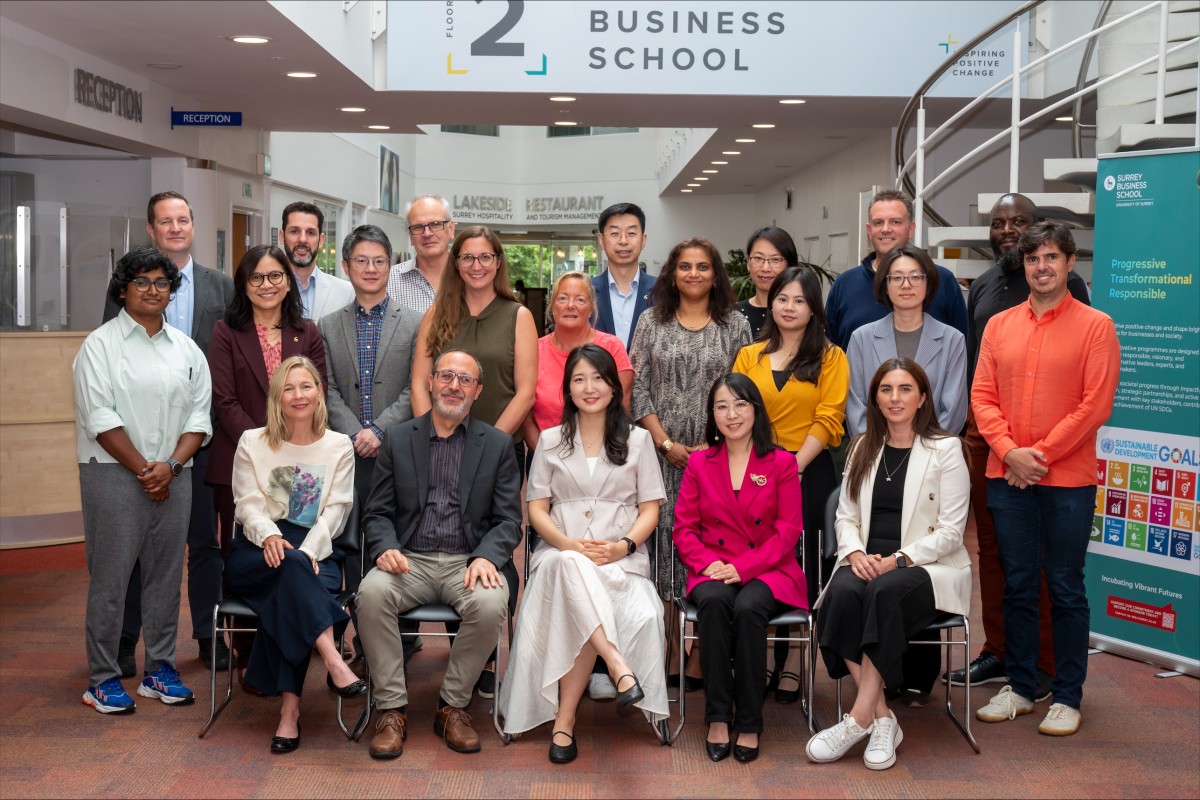
Surrey’s contributions to international policy and practice
Surrey brings these insights into international policy and practice. Our researchers have contributed to the UN Tourism and G20 framework for inclusive community development, supported sustainability evidence and industry collaboration through Travalyst, provided advice on responsible AI adoption and governance, and contributed to the OECD’s latest paper on AI’s opportunities, risks and policy implications for tourism across APEC economies, published in September 2026. Together with our industry partnerships, this work connects research with the decisions shaping tourism’s future.
The next stage of transformation should be guided by clear outcomes: better jobs, greater visitor agency, more inclusive experiences, reduced environmental pressures and stronger benefits for local communities. Businesses and destinations need the skills to question AI outputs, test their effects and adapt when results fall short. Communities should have a voice in defining what successful tourism looks like.
Professor Iis Tussyadiah, Dean of Surrey Business School, said: “At Surrey, we connect research with policy and practice to shape responsible AI adoption. Our ambition is to strengthen human judgement and ensure digital innovation creates lasting value for tourism and society.”
On World Tourism Day, we celebrate the opportunity to pursue this future together. The University of Surrey will continue advancing research, developing talent and working with partners around the world to help tourism use AI responsibly and imaginatively. Our ambition is tourism that enables people to flourish and places to thrive, with digital innovation serving that shared purpose.
Related sustainable development goals


